The road to Brisbane 2032 — venues, athletes, infrastructure, funding.
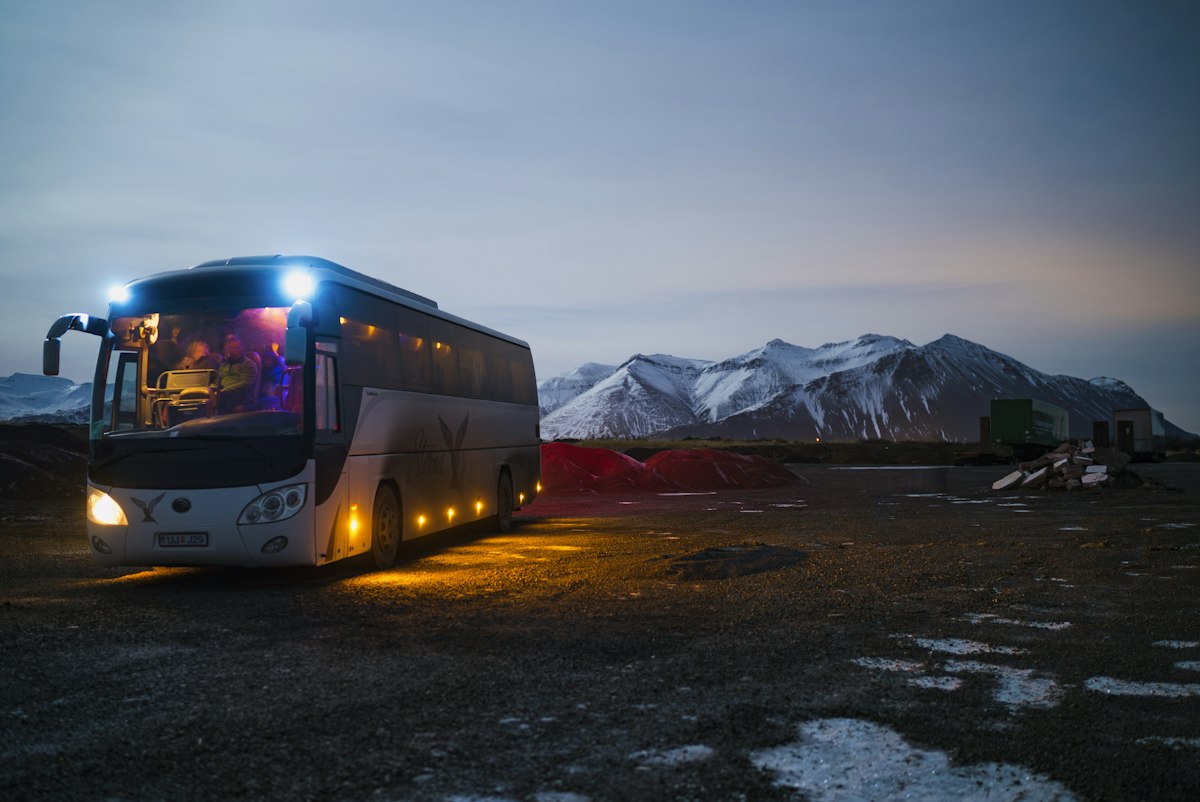
Queensland Rail confirmed Tuesday that the Roma Street-to-Woolloongabba corridor opens for paying passengers Monday 15 December 2026 — three months ahead of the original 2027 schedule. Testing has settled at a 6.2-minute average run (target was 12 minutes for Olympic-plan modelling), and the peak-hour service will run every four minutes with a 12-carriage capacity per train. Fares are aligned with existing zone-1 pricing, no new Olympic-only zones. Woolloongabba station has been designed for the anticipated Games crowd of 78,000 fans per session at the Gabba, with three river-side pedestrian corridors and a dedicated ferry-transfer bridge to the Kangaroo Point cliffs. Testing continues nightly through the November corridor certification window.
Read more →
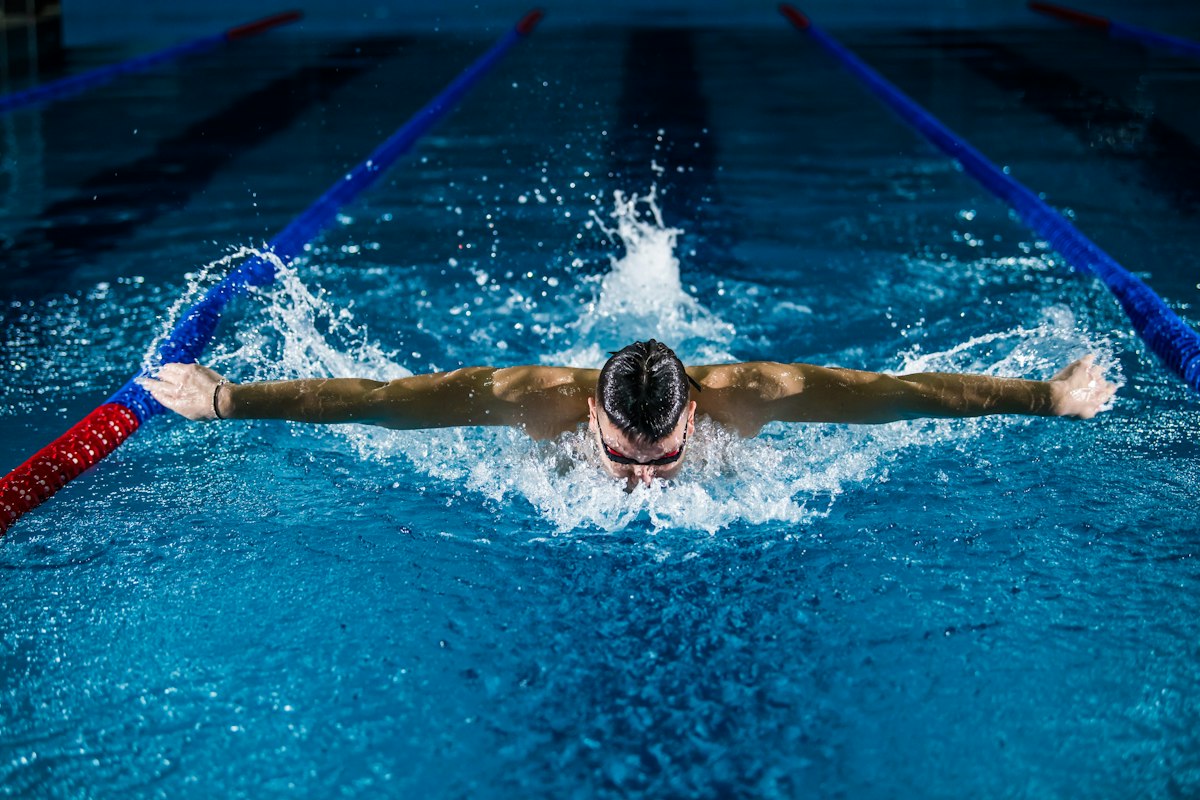
Australia's most decorated Olympian is back at Chandler this week after her Paris post-Games break — targeting a Kurilpa Point 100m freestyle final in front of a home crowd in 2032. Coach Michael Bohl says the training focus is on distance-per-stroke efficiency plus a starts-and-turns overhaul; McKeon's turns lost her about 0.8 seconds over the full Paris programme. She'll trial a new stroke-rate variance in the Perth Commonwealth Games trials next April. Also confirmed for the 2026 spring block at Chandler: Kaylee McKeown, Elijah Winnington, Chelsea Hodges, Jack McLoughlin — the strongest single-facility depth in Australian swimming history.
Read more →

Council has resumed the $2.7B Gabba redesign consultation after a nine-month pause; the final recommendation to Parliament has been pushed back to Wednesday 30 June 2027 to allow for additional community engagement across Woolloongabba, East Brisbane and Dutton Park. Four alternative sites remain on the shortlist: Woolloongabba (redevelopment on existing footprint), Nathan (Griffith University precinct), Boondall (existing entertainment precinct) and Redcliffe (new build). The panel is chaired by former Queensland Premier Peter Beattie plus three cross-bench appointees. Public submissions on the four-site shortlist opened Monday and close 31 October.
Read more →

Site preparation on the Kingsford Smith Drive precinct started Monday 22 September — grading, utility trenching and heritage-tree relocation across the 42-hectare footprint. The village will accommodate 4,800 athlete beds across three residential clusters, plus a central dining pavilion (2,400 covers per sitting), a fitness centre and a pre-Games logistics warehouse. Post-Games, the site converts to 3,200 homes (24% affordable under the state's inclusionary housing scheme), a new state primary school, and 8 hectares of restored riverfront parkland. Head contractor is Multiplex; first architectural cluster tenders open Wednesday 28 October. Community drop-in sessions run weekly at the site-office Wednesdays 3-6pm.
Read more →
Brisbane 2032's volunteer registry passed 12,000 expressions of interest this week — the 12,000th signup was a 23-year-old accessibility-advocacy student from Redlands. Registry demographics: 41% under 25, 58% female, 12% First Nations, and 34% have accessibility or auslan interpreting credentials — the strongest inclusive profile of any Olympic host city registry to date. Target is 26,500 confirmed volunteers by mid-2030. First-round induction sessions run November through March, with role-specific training from mid-2028. All volunteers get an accredited hospitality qualification, a Games kit, plus meal and transport vouchers for their shift days.
Read more →
The IOC has formally accepted a Torres Strait Islander design collective's push to have every piece of official 2032 merchandise co-designed with a First Nations creative panel — a first for any Olympic Games. The 15-designer panel is chaired by Vernon Ah Kee, with rotating regional seats representing all Indigenous language groups of Southeast Queensland. Merchandise revenue-share was also negotiated: 3% of net royalties from every First Nations-co-designed SKU flows to a legacy trust administered by the panel, funding scholarships and cultural centres. This is the second major cultural concession from the IOC in 12 months, following the Australian bid's successful push to include the Welcome-to-Country protocol at opening.
Read more →